

Burkina Faso
Burkina Faso: Potential in Development
A country with a vibrant culture, significant natural resources, and a promising path toward growth.
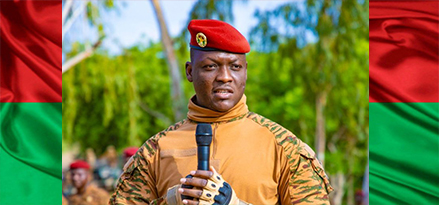
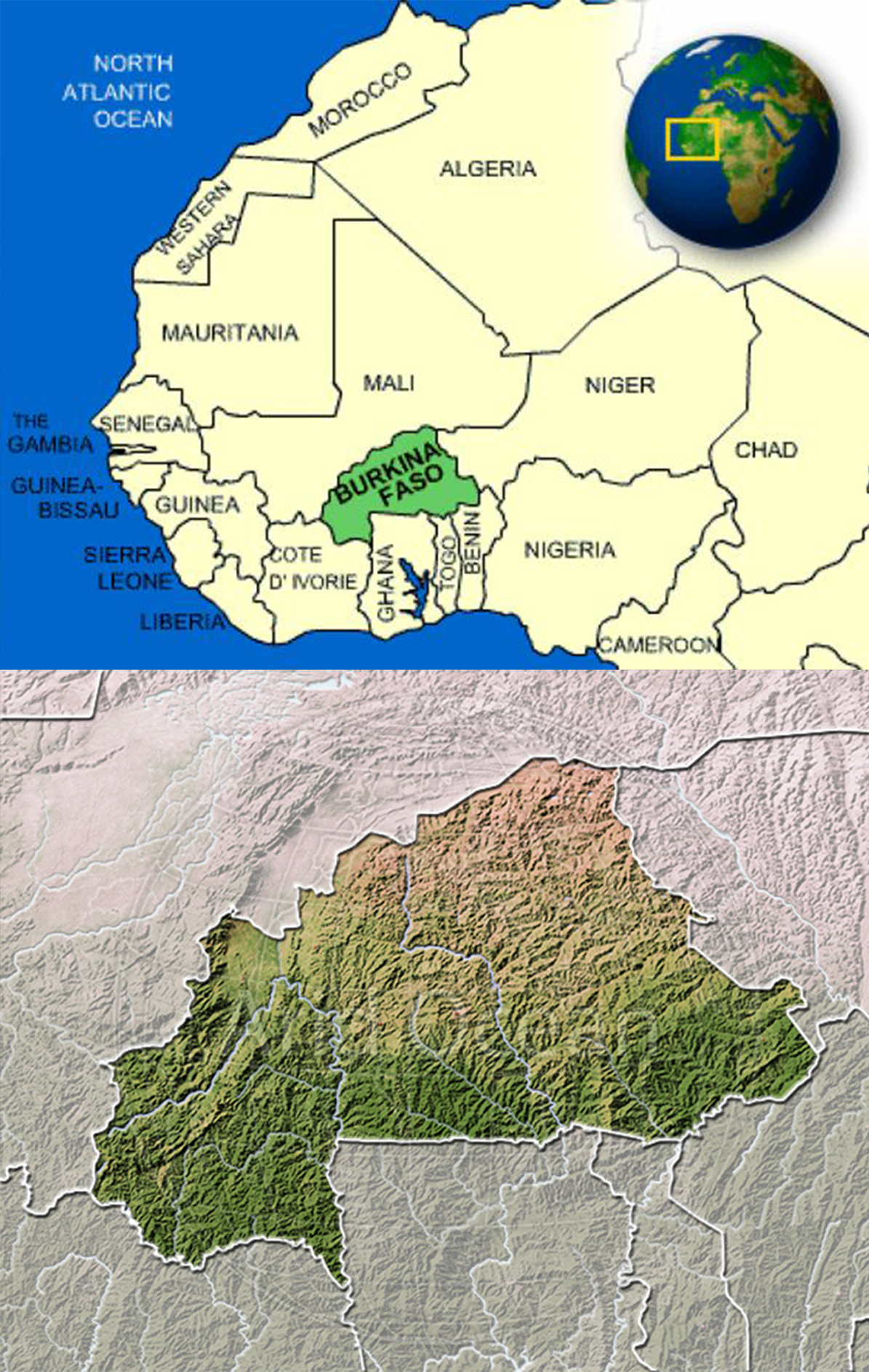
Burkina Faso is a West African country with a rich history and an increasingly important role in the region. With substantial natural resources—especially in the mining sector—and a young, entrepreneurial population, the nation demonstrates strong foundations for more diversified and dynamic economic development.
Under the leadership of President Ibrahim Traoré, Burkina Faso has directed efforts toward strengthening economic autonomy, expanding strategic investments, and promoting policies focused on youth empowerment and sustainable development. These initiatives reflect the pursuit of greater productive independence and long-term growth, driven by innovation, entrepreneurship, and social inclusion.
Gold production remains one of the cornerstones of the Burkinabe economy, and the mining sector continues to attract foreign investors and partnerships capable of enhancing technology, capacity, and job creation. At the same time, agriculture—responsible for the livelihood of a large portion of the population—holds vast potential for modernization and expansion, with soils that can support diverse crops and add value to domestic and international markets.
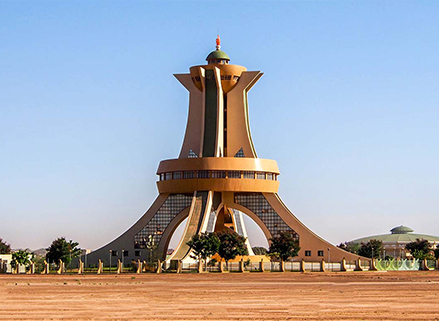
Ouagadougou: Capital of Progress
Ouagadougou, the political and administrative capital, is a major cultural and social hub. The city is known for its artistic spirit and for hosting major continental events such as the Pan-African Film and Television Festival of Ouagadougou (FESPACO), which attracts audiences, filmmakers, and cultural observers from across Africa and beyond.
University life, technical schools, and professional training initiatives in the capital help develop young talent and strengthen technical skills that are essential for the country’s future. This human and intellectual dynamism positions Ouagadougou as an important driver of innovation, creativity, and social transformation.
With ongoing projects in renewable energy, urban modernization, road expansion, and sustainable development, Ouagadougou is emerging as a vibrant and resilient capital— increasingly prepared to become a regional reference in commerce, culture, logistics, and technology.
Infrastructure and Energy Investments
Burkina Faso has made progress in infrastructure development, with projects focused on improving roadways, expanding electricity networks, and increasing internet access in both urban and rural areas. These efforts aim to reduce logistical bottlenecks and strengthen regional connectivity.
In the energy sector, there is growing interest in renewable sources such as solar and wind. Solar initiatives, in partnership with private and international institutions, are being explored to increase domestic energy production, reduce dependence on imports, and expand access to electricity.
At the same time, initiatives to optimize energy distribution and expand energy infrastructure aim to make the country more resilient and competitive, creating foundations that can support new industries and services in the coming years.
These efforts reflect a continued commitment to sustainable development and the strengthening of the domestic economy, fostering a more attractive environment for responsible business and long-term partnerships.
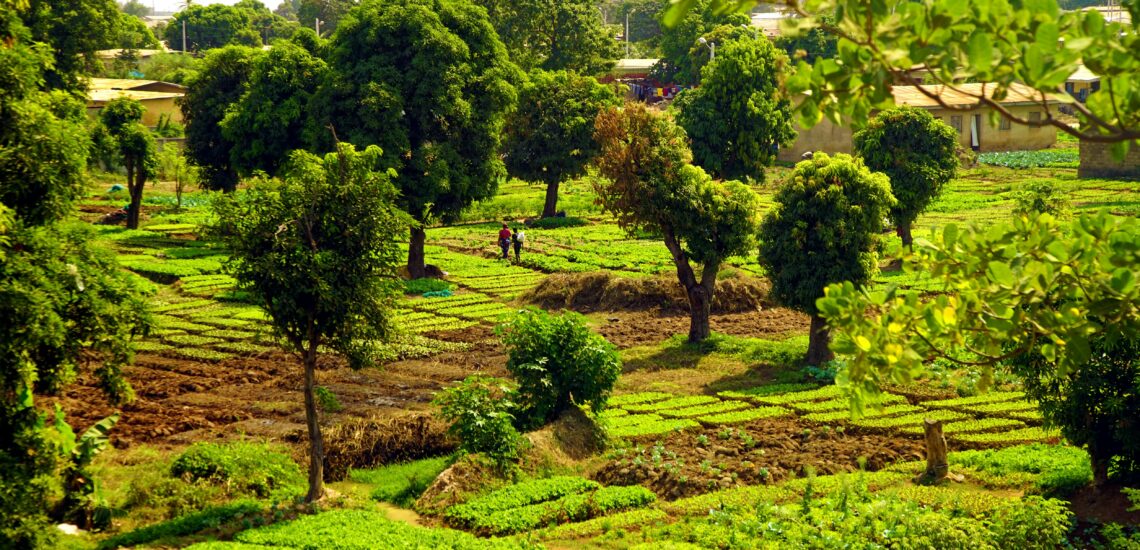
Agriculture is a key pillar of Burkina Faso’s economy, with notable crops such as sorghum, maize, millet, peanuts, sesame, and cotton—one of the country’s main export products. Additionally, Burkina Faso ranks among the world’s largest producers of cowpeas and sesame. Government incentives and modernization initiatives aim to increase productivity, strengthen climate resilience, and attract investment in irrigation, technology, and value-added agricultural chains.
Burkina Faso is prosperity in the making.
Potential transformed into opportunity.
The new star of African development.
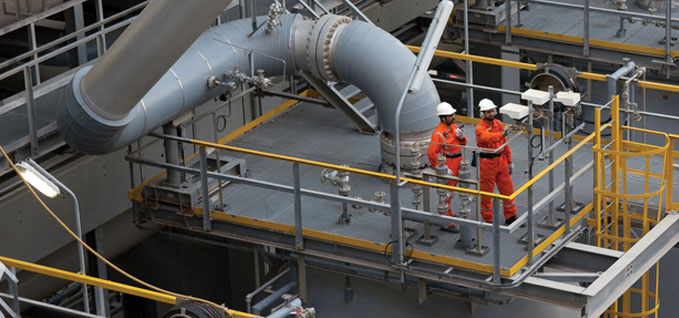
Energy Potential
Ductus Est Pipeline believes in Burkina Faso’s energy potential and is committed to contributing to the strengthening of its infrastructure and to building a pathway toward self-sufficiency and development as an emerging nation.
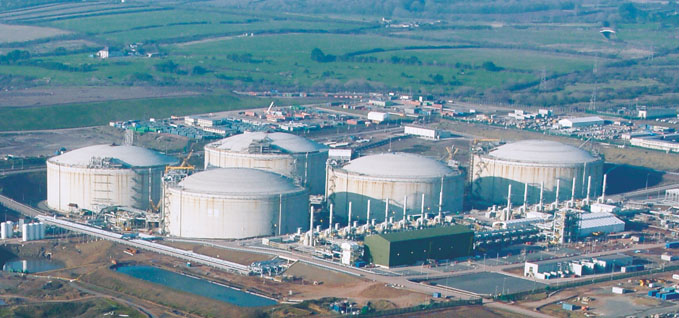
Strategic Storage Capacity
The expansion of tank farms can represent a significant advantage for Burkina Faso’s energy sector, contributing to greater resilience and new long-term logistical opportunities.
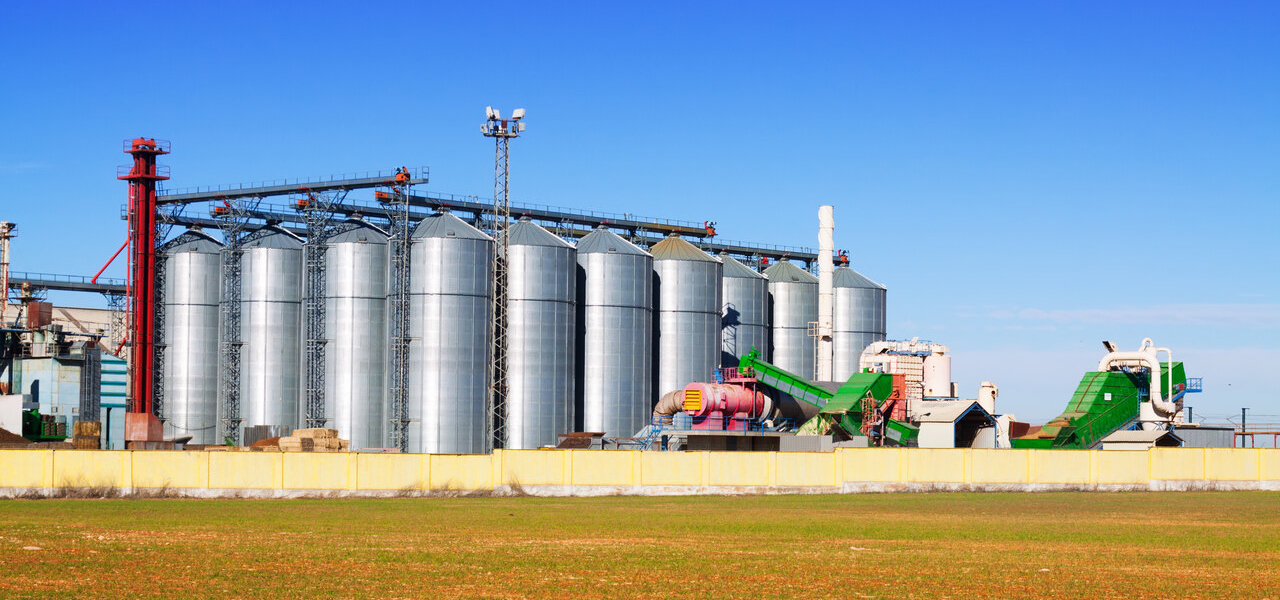
Agro-Industrial Hub
Burkina Faso has a strong agricultural vocation and has received continuous investment to modernize its production chains, driving sector development and opening new opportunities for national economic growth.

Ready to get in touch?
Reach out to Ductus Est Pipeline and learn how we can support the growth of the energy sector.
Contact Us